
Why Teeth Shift After Braces? Adult Orthodontics After Previous Braces

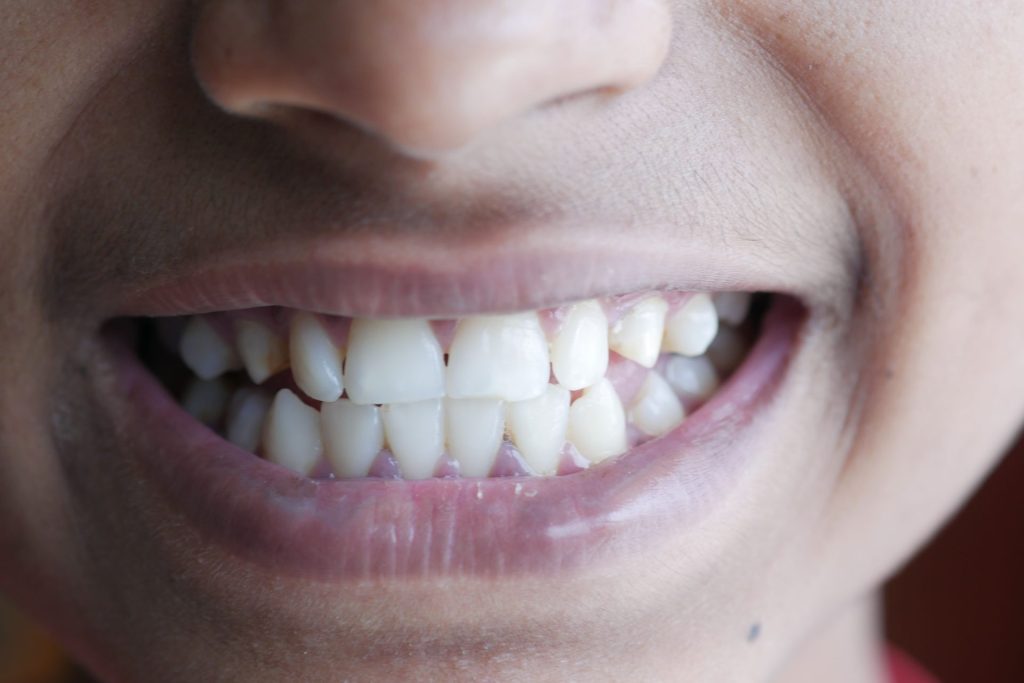
If you had braces or clear aligners in the past and have started to notice your teeth shifting again, you are not alone.
Teeth can continue to move over time, and the change does not always mean going through the same orthodontic treatment all over again. What matters is understanding why the teeth have moved, how much has changed and whether anything now needs to be corrected.
Table of Contents
Why teeth can move after orthodontic treatment
Orthodontic treatment moves the teeth into new positions, but those positions are not permanently fixed once the braces or aligners come off. The bone and tissues around the teeth continue to adapt, which is why retainers are used after active treatment to help keep the result stable.
If a retainer is not worn as advised, stops fitting properly or is lost and not replaced, the teeth can gradually begin to drift away from their corrected positions.
But retention is only part of the picture. The mouth continues to change throughout adult life, and those changes can affect both the position of individual teeth and the way the bite comes together. This means some movement can still occur years later, even in people who have been consistent with their retainers.
Changes elsewhere in the mouth can contribute too. A missing tooth may allow neighbouring teeth to drift into the space, while gum disease can reduce the support around the teeth. Tooth wear and changes in the way the upper and lower teeth meet can also gradually affect their position.
How much the teeth have moved matters
A crowded front tooth or a small gap reopening does not necessarily mean you need another full course of braces.
If the movement is limited and the rest of the bite remains stable, a short course of clear aligners or another focused orthodontic approach may be enough to reposition the affected teeth.
The situation is different when several teeth have shifted, crowding has returned in more than one area or the upper and lower teeth no longer meet in quite the same way. An old retainer that no longer fits properly can also suggest that the change is more than minor.
An orthodontic assessment can distinguish between a localised change and movement that affects the bite more broadly, which is what determines how much treatment is actually needed.
What to do with an old retainer
When teeth begin to shift, one of the first questions is often whether the old retainer can simply be worn again.
If it still fits comfortably and fully seats over the teeth, it may still be useful, depending on how much movement has occurred. If you have noticed that the teeth have moved despite the retainer still fitting, it is worth having the change checked before assuming the retainer is all that is needed.
A retainer that no longer fits properly is different. If it has to be forced into place, will not seat fully or causes significant discomfort, it should not be treated as a substitute for a current orthodontic assessment.
At that point, the teeth may have moved beyond the position the retainer was designed to hold. A new retainer may be needed, or the teeth may need some active movement before they can be retained again.
Ready for a healthier, brighter smile?

Choosing the right way to correct the change
If treatment is needed, the options depend on how far the teeth have moved and whether the bite has changed as well.
For a small relapse, treatment may be limited to a relatively small number of teeth. Clear aligners, including Invisalign, can be useful in many of these cases because they allow targeted movement without necessarily repeating the full treatment someone had years earlier.
More complex movement may require a different approach. Fixed braces can provide greater control when several teeth need to be repositioned or when the bite itself needs more substantial correction.
Retreatment does not have to use the same appliance as the first course of orthodontics. The choice depends on the position of the teeth and bite as they are now.
Read more about orthodontic treatment at Yass Valley Dental.
How long retreatment can take
Orthodontic retreatment can sometimes be considerably shorter than the original treatment, particularly when only a few teeth have moved.
If several teeth have shifted or the bite also needs correction, treatment may take longer. The expected timeframe becomes much clearer once the extent of the movement and the type of treatment needed have been assessed.
Keeping the teeth stable after retreatment
Once the teeth have been corrected again, retention becomes part of the plan from the beginning rather than something to think about only when treatment finishes.
After retreatment, the retention plan may include a removable night-time retainer, a fixed retainer behind the teeth or a combination of both. Which option is used will depend on the teeth that were moved and the type of correction completed.
Lost, damaged or poorly fitting retainers are also worth replacing promptly, before the teeth have enough time to shift again.
Orthodontic retreatment at Yass Valley Dental
If you have noticed that your teeth or bite have changed after previous braces or clear aligner treatment, Yass Valley Dental can help assess what has moved and whether anything needs to be corrected.
Orthodontic care at Yass Valley Dental is provided by Dr Daniel Yang, who has postgraduate training in Clinical Orthodontics and also provides Invisalign treatment at the practice.
Meet Dr Daniel Yang and the Yass Valley Dental team.
He can examine how your teeth and bite have changed since your previous treatment and talk through the options with you, so together you can decide whether a new retainer, a small orthodontic correction or more comprehensive retreatment makes the most sense.
If you are concerned about changes in your bite or the position of your teeth, visit our team in Yass or Murrumbateman to discuss what may be the right next step.
Frequently asked questions about teeth moving after braces
Why have my teeth moved even though I wore a retainer?
Retainers reduce the amount of movement after orthodontic treatment, but they cannot prevent every change that happens in the mouth over time. Changes in the bite, supporting tissues and the natural ageing of the teeth and jaws can still contribute to movement.
Do I need braces again if my teeth have shifted?
Not necessarily. If the movement is limited, a smaller course of orthodontic treatment may be enough. Full treatment is more likely to be considered when several teeth or the bite have changed.
Can Invisalign correct teeth that have moved after braces?
In many cases, yes. Invisalign and other clear aligners can be suitable for mild or moderate orthodontic relapse. Whether they are appropriate depends on the amount and type of movement required.
Can I start wearing my old retainer again?
If the retainer still fits fully and comfortably, it may still be useful. If it no longer seats properly, feels excessively tight or needs to be forced over the teeth, it is better to have the position of the teeth checked first.
Will I need a new retainer after retreatment?
Usually, yes. Once the teeth have been repositioned, a new retention plan is normally needed to hold them in their corrected positions.